How Much Should I Have in an Emergency Fund?
Aim for three to six months of essential expenses. See targets for every budget, how long it takes to save, and where to keep your emergency fund.

Aim for three to six months of essential expenses. See targets for every budget, how long it takes to save, and where to keep your emergency fund.
A simple rule: save 25 times the yearly income you need from savings. See targets for every income level, how long $1 million lasts and how your retirement age changes the number.
Get your full employer match, then aim for 15% of pay. See what 3%, 6%, 10% and 15% grow to, what each costs per paycheck, and 2026 limits.
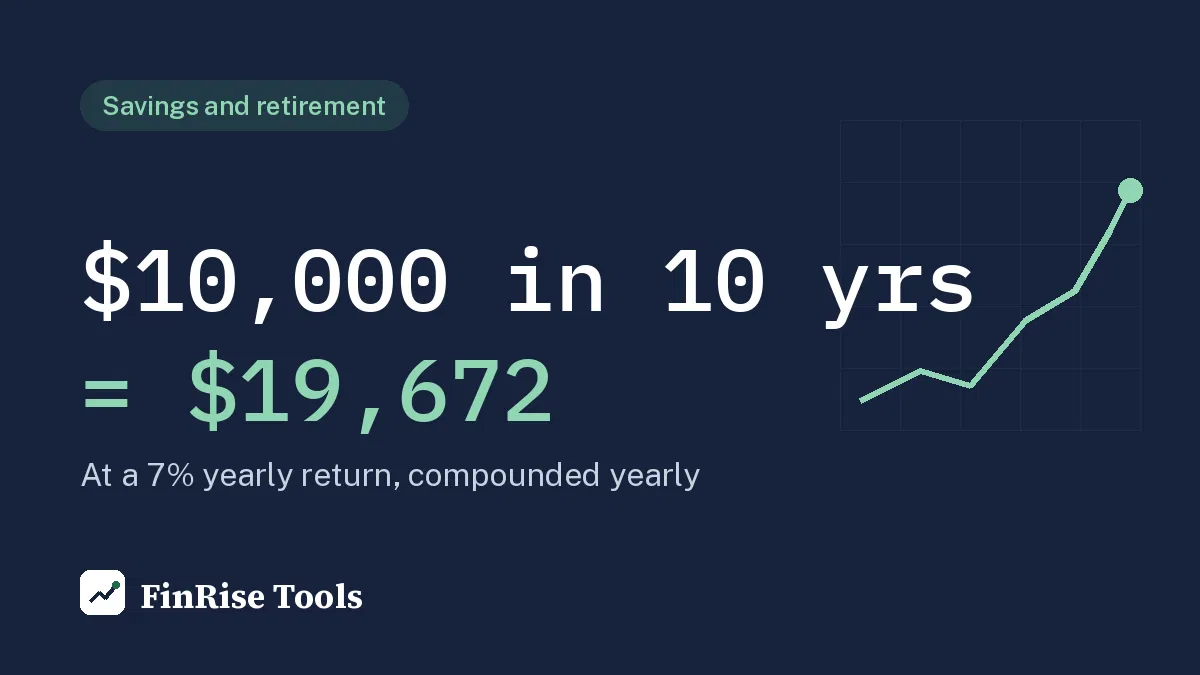
$10,000 grows to about $19,672 in 10 years at 7%, or $14,802 at 4%. See the numbers at every rate, what monthly deposits add and how inflation changes the picture.
Snowball or avalanche? For $10,000 of debt at $500 a month, avalanche saves about $110 while snowball clears the first debt 10 months sooner. See which fits you.
Hourly or salary: which pays more? Compare the real hourly rate, overtime, paid time off and benefits, with worked examples and a checklist for job offers.
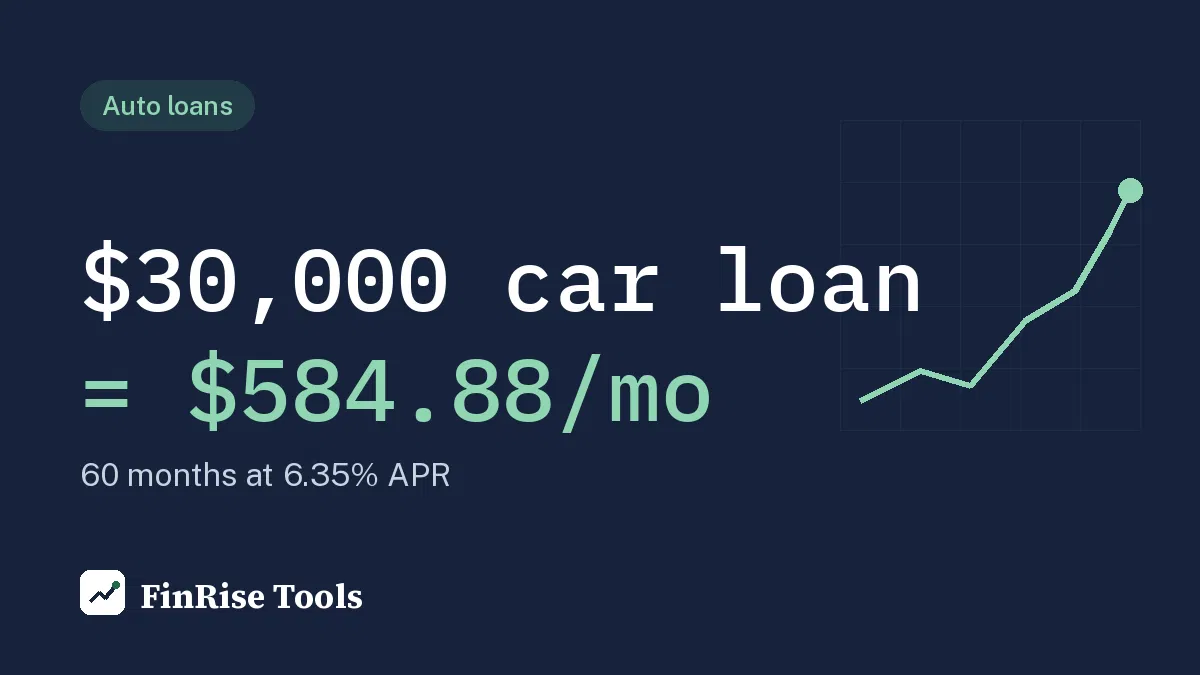
A $30,000 car loan costs $584.88 a month over 60 months at 6.35% APR. See payments at every rate and term, total interest, and how to lower the cost.
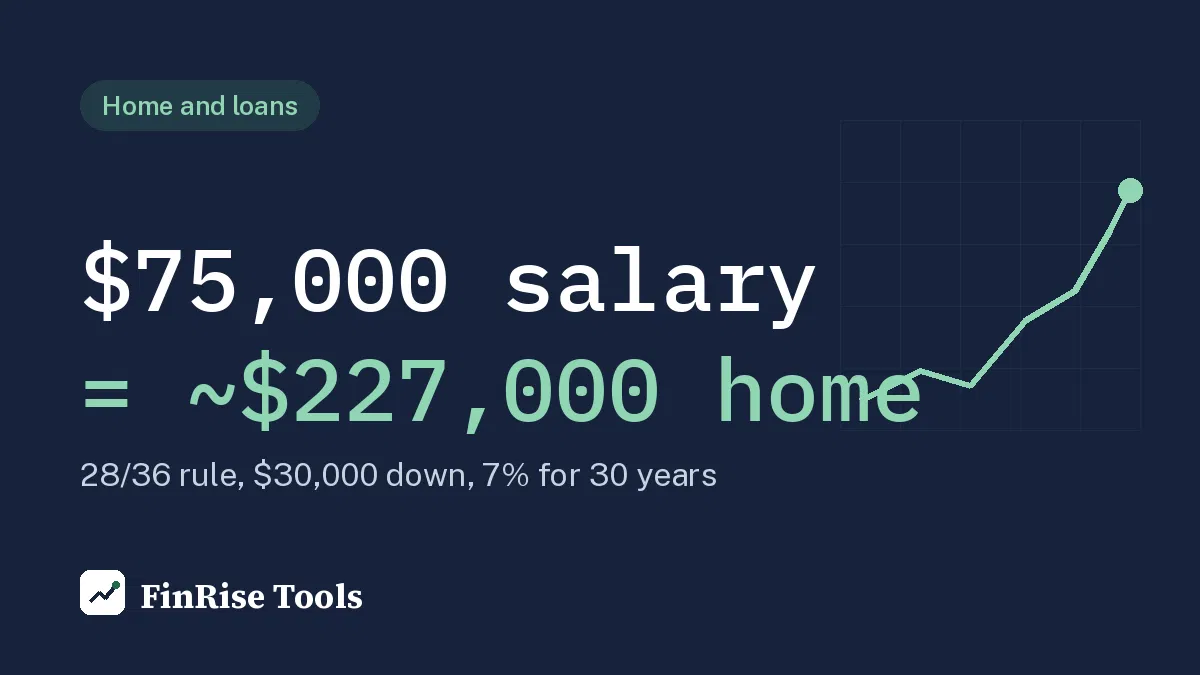
On a $75,000 salary, you can afford a home of about $227,000 with $30,000 down at a 7% rate. See how your rate, debts and down payment change the number.
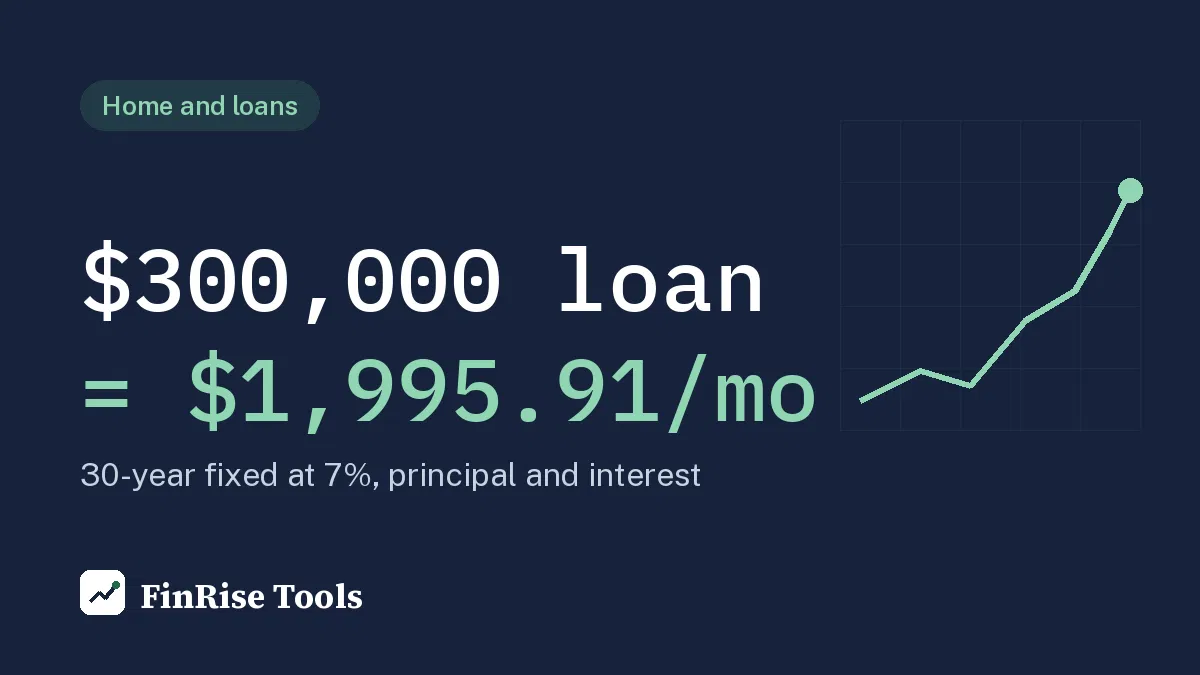
A $300,000 mortgage costs $1,995.91 a month at 7% over 30 years, or about $2,490 with taxes and insurance. See payments at other rates, the income you need and how extra payments save interest.
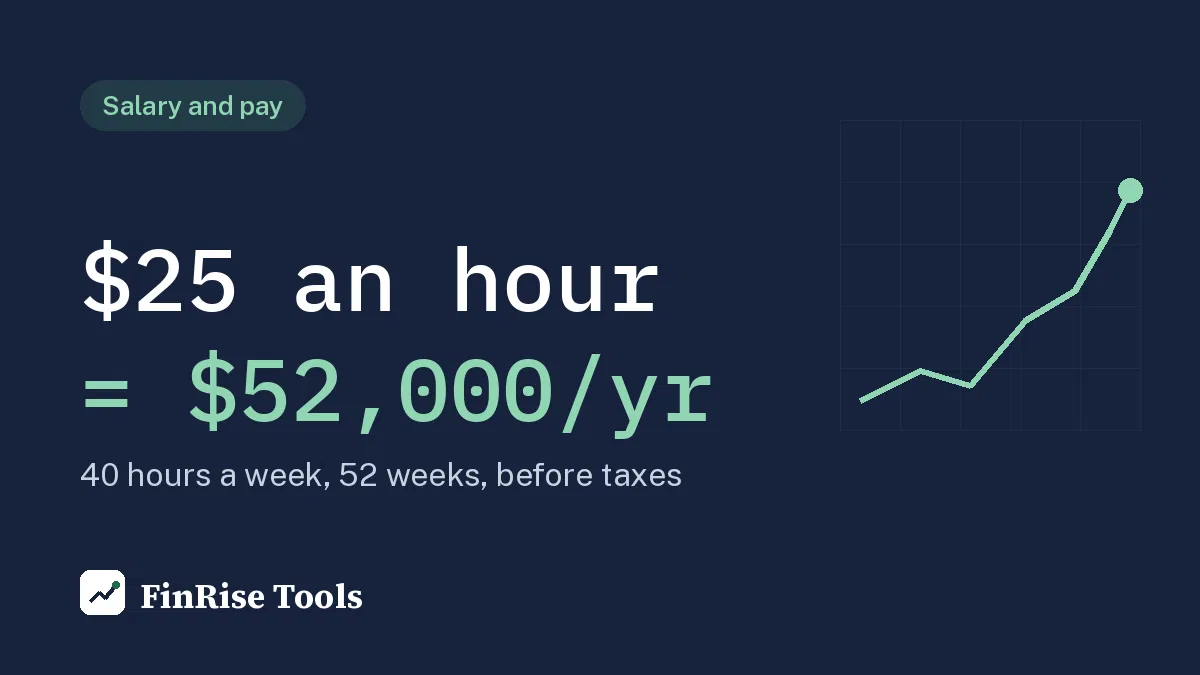
$25 an hour is $52,000 a year at 40 hours a week. See monthly, biweekly and weekly pay, part-time and overtime totals, and an estimate of take-home pay after taxes.